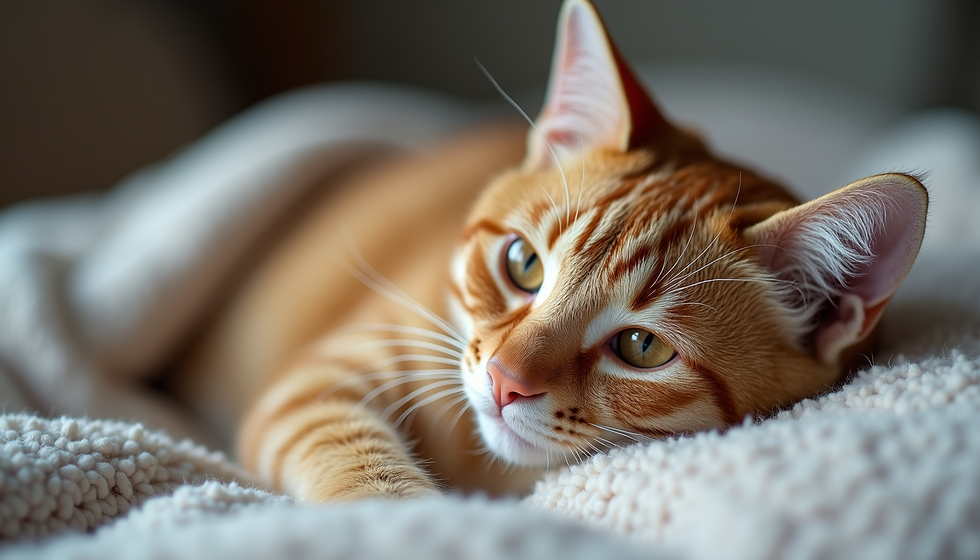
Elderly Cat Care Tips: Ensuring Comfort & Health
Watching a cat grow older is a beautiful journey filled with love and memories. As our feline friends age, their needs change, and it becomes essential to adjust how we care for them. I’ve learned that providing comfort and maintaining health in their golden years requires patience, attention, and a gentle touch. Whether your cat is just entering their senior years or already a wise old companion, these elderly cat care tips will help you support their well-being every step of the way.
Understanding the Needs of Senior Cats: Elderly Cat Care Tips
As cats age, their bodies and behaviors evolve. Recognizing these changes early can make a significant difference in their quality of life. Senior cats often experience slower metabolism, reduced activity, and sometimes health issues like arthritis or kidney disease.
Here are some practical elderly cat care tips to keep in mind:
Regular Vet Visits: Schedule check-ups at least twice a year. Early detection of health problems is key.
Diet Adjustments: Older cats may need diets lower in calories but rich in protein and essential nutrients.
Hydration: Encourage water intake to support kidney function.
Comfortable Living Space: Provide soft bedding and easy access to favorite spots.
Mental Stimulation: Keep their minds active with gentle play and new toys.
By paying attention to these areas, you can help your cat stay happy and healthy as they age.

Nutrition and Diet: Tailoring Meals for Senior Cats
One of the most important aspects of elderly cat care is nutrition. Senior cats often have different dietary needs compared to younger cats. Their digestive systems may slow down, and they might not absorb nutrients as efficiently.
What to consider when feeding your senior cat:
High-Quality Protein: Helps maintain muscle mass.
Lower Calories: Prevents obesity, which can worsen joint problems.
Added Fiber: Supports digestion and prevents constipation.
Supplements: Omega-3 fatty acids can reduce inflammation and support joint health.
I recommend consulting your veterinarian to find the best diet plan tailored to your cat’s specific health conditions. Sometimes, prescription diets are necessary to manage illnesses like kidney disease or diabetes.
Creating a Comfortable Home Environment
Senior cats appreciate comfort and security more than ever. Small changes around the house can make a big difference in their daily lives.
Easy Access: Place food, water, and litter boxes on the same level to avoid stairs.
Soft Bedding: Use orthopedic or memory foam beds to ease joint pain.
Warmth: Older cats often feel colder, so provide warm spots near windows or heating pads designed for pets.
Quiet Spaces: Ensure they have a calm area to retreat when they want to rest.
I’ve found that these adjustments not only improve their physical comfort but also reduce stress and anxiety.

Monitoring Health and Behavior Changes
Keeping a close eye on your cat’s health is crucial. Changes in behavior can be subtle but meaningful.
Watch for signs such as:
Decreased appetite or weight loss
Changes in litter box habits
Increased vocalization or restlessness
Difficulty jumping or moving
Grooming less or over-grooming certain areas
If you notice any of these signs, it’s time to visit your veterinarian. Early intervention can prevent many complications.
Remember, caring for elderly cats involves being proactive and compassionate. Your cat relies on you to notice these changes and act promptly.
Gentle Exercise and Mental Stimulation
Keeping your senior cat active is essential for maintaining muscle tone and mental sharpness. However, their activity level will naturally decrease, so it’s important to encourage gentle play.
Use soft toys that don’t require vigorous chasing.
Engage in short play sessions multiple times a day.
Introduce puzzle feeders to stimulate their mind.
Provide scratching posts to keep claws healthy and offer a sense of security.
Exercise also helps prevent obesity and supports joint health. I’ve seen how even small bursts of activity can brighten a senior cat’s day.
Supporting Your Cat’s Emotional Well-being
Aging can sometimes bring confusion or anxiety to cats. They may feel vulnerable or less confident. Your presence and reassurance are vital.
Speak softly and calmly.
Maintain a consistent routine.
Spend quality time petting and cuddling.
Use pheromone diffusers to create a calming environment.
These simple actions can ease your cat’s stress and strengthen your bond.
When to Seek Specialized Veterinary Care
Sometimes, senior cats need more than routine check-ups. Conditions like arthritis, dental disease, or chronic kidney disease require specialized care.
Las Vegas Cat Hospital offers expert senior cat care that focuses on comfort and fear-free experiences. Their team understands the unique needs of elderly cats and provides tailored treatments to improve their quality of life.
If your cat shows signs of discomfort or illness, don’t hesitate to reach out to professionals who specialize in senior feline care.
Embracing the Journey Together
Caring for an elderly cat is a rewarding experience filled with moments of tenderness and gratitude. By adjusting their diet, environment, and healthcare, you can ensure they enjoy their senior years with dignity and comfort.
Remember, your love and attention are the greatest gifts you can offer. With patience and care, your senior cat will continue to be a cherished companion for many years to come.
Thank you for taking the time to learn about these elderly cat care tips. Your dedication makes all the difference in your cat’s life.